Introduction
Neurodegenerative diseases, such as Alzheimer’s, Parkinson’s, and multiple sclerosis, pose significant health challenges worldwide. These conditions are characterized by the progressive degeneration of the structure and function of the nervous system. Recent advancements in biomedical research have led to exciting potential treatments, one of which is exosome therapy. This innovative approach harnesses the power of exosomes—tiny vesicles secreted by cells—to promote healing and regeneration in affected areas of the brain and nervous system.
In this extensive article, we’ll explore exosome therapy in detail, shedding light on its mechanisms, benefits, and implications for treating neurodegenerative diseases. We will also examine where you can access these therapies in the UK, specifically highlighting establishments like Mesglo Aesthetic Clinic London.
What Are Exosomes?
Definition and Discovery
Exosomes are nano-sized extracellular vesicles that play a crucial role in intercellular communication. Discovered in the early 1980s, these vesicles were initially thought to be cellular waste. However, further research has revealed their vital functions in transporting proteins, lipids, and RNA between cells.
The Composition of Exosomes
Exosomes are made up of a lipid bilayer encapsulating various biomolecules:
- Proteins: Enzymes and receptors that facilitate cellular communication. Lipids: Essential for maintaining membrane integrity. Nucleic Acids: Including mRNA and microRNA that influence gene expression.
How Are Exosomes Produced?
Cells release exosomes through a process called exocytosis. Intracellular compartments known as multivesicular bodies (MVBs) fuse with the plasma membrane to release these vesicles into the extracellular environment.
The Role of Exosome Therapy
Mechanism of Action
Exosome therapy involves using exosomes derived from stem cells or other cell types to repair damaged tissues or modulate immune responses. By delivering bioactive molecules directly to target cells, exosome treatment can potentially halt or even reverse neurodegeneration.
Types of Exosome Treatment Available
Stem Cell-Derived Exosome Therapy Platelet-Derived Exosome Therapy Mesenchymal Stem Cell (MSC) Exosome TherapyEach type has unique properties that make it suitable for different therapeutic applications.
Benefits of Exosome Therapy for Neurodegenerative Diseases
Neuroprotection
Exosomes carry neuroprotective factors that may help shield neurons from damage due to inflammation or oxidative stress.

Regeneration of Damaged Tissue
By promoting cellular repair mechanisms, exosome treatment offers hope for regenerating damaged neural tissues in diseases like Alzheimer's.
Anti-Inflammatory Effects
Many studies indicate that exosomes can modulate inflammatory responses within the brain, which is critical for treating neurodegenerative conditions.
A Step Towards the Future: Clinical Applications of Exosome Therapy
Alzheimer’s Disease
Research suggests that exosome therapy may help reduce amyloid-beta plaques associated with Alzheimer’s progression.
Parkinson’s Disease
Exosomal delivery systems could deliver therapeutic agents directly to affected neurons in Parkinson's patients, potentially slowing disease progression.
Multiple Sclerosis (MS)
Studies show promise for using exosomes to repair myelin sheaths damaged by MS and improve neurological function.
Current Research on Exosome Therapy for Neurodegenerative Diseases
Ongoing Clinical Trials
Numerous clinical trials are currently assessing the safety and efficacy of exosome treatments across various neurodegenerative conditions.
| Study Name | Focus Area | Phase | Status | |--------------------|------------------------|-------------|--------------| | EXOSOME-AD | Alzheimer’s Disease | Phase II | Recruiting | | PARKINSON-X | Parkinson’s Disease | Phase I | Active | | MS-EXO | Multiple Sclerosis | Phase III | Not yet recruiting |
Published Studies Overview
Recent publications have highlighted promising results regarding improved cognitive function following exosome administration in Alzheimer's patients:
Smith et al., 2022: "Exosomal Delivery Reduces Amyloid Plaques." Johnson et al., 2023: "Neuronal Recovery Post-Stroke via MSC-Derived Exosomes."Challenges Facing Exosome Therapy Today
Regulatory Hurdles
As a relatively new area in regenerative medicine, regulatory frameworks around exosomal therapies are still developing.
Standardization Issues
Consistent production methods must be established to ensure efficacy across different treatments and patient populations.
The Future Landscape of Exosome Research
Innovations on the Horizon
With continued investment in research and technology development, we anticipate breakthroughs that could revolutionize how neurodegenerative diseases are treated using exosomes.
Collaboration Between Institutions
Interdisciplinary collaborations among universities, research institutes, and healthcare providers will play a pivotal role in advancing this field further.
A Step Towards the Future: Where Can You Get Exosomal Treatment?
If you're exosomes considering exploring exosomal therapies in London, look no further than Mesglo Aesthetic Clinic London. Located at:
Mesglo Aesthetic Clinic London
Unit 4, 10 Portman Square
London W1H 6AZ
United Kingdom
Visit Website
![Map to Mesglo Clinic]()
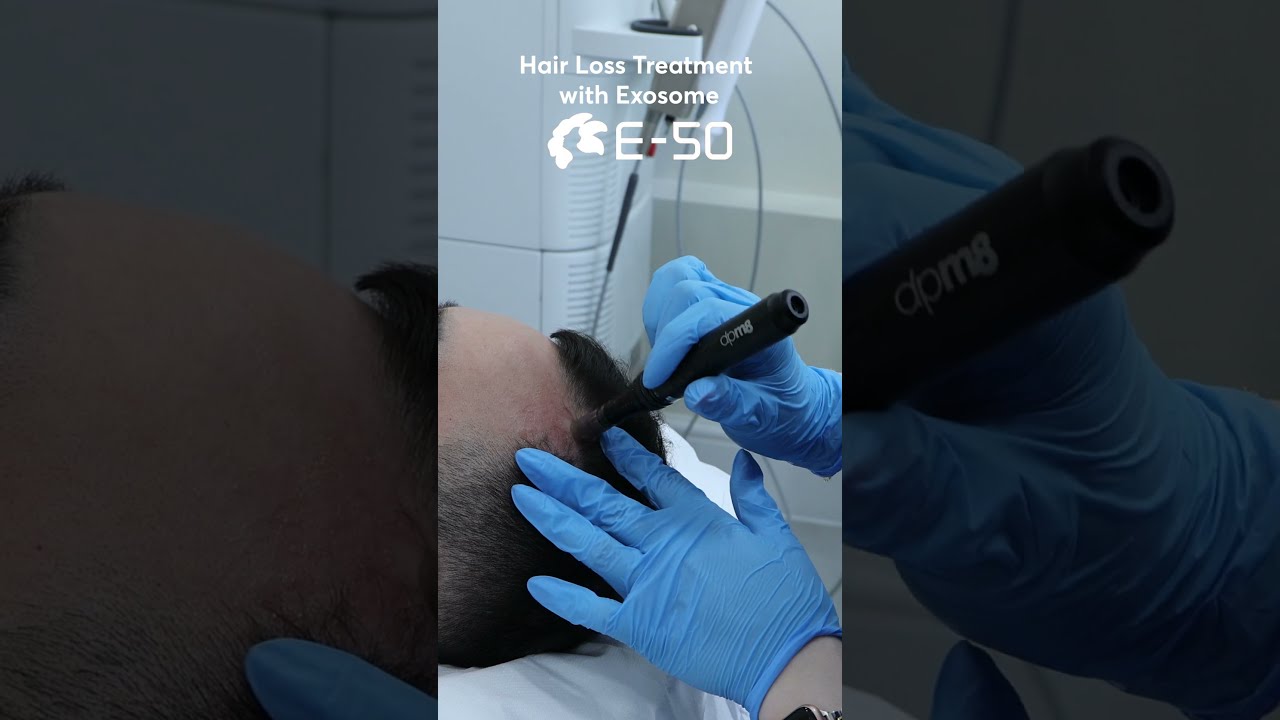
This clinic specializes not only in general aesthetic procedures but also offers cutting-edge treatments involving exosomes, including specific applications for facial rejuvenation (Exosomes for Face) and hair restoration (Exosomes for Hair Loss). Their team is dedicated to providing safe and effective treatments tailored to individual needs.
FAQ Section
Q1: What is exosome therapy?
Q2: How does exosome treatment work?
A: It works by utilizing bioactive molecules carried by exosomes to modulate cellular processes involved in healing or regeneration.
Q3: Is there evidence supporting its use for neurodegenerative diseases?
A: Yes, numerous studies suggest positive outcomes regarding cognitive function improvements post-exosomal treatment among patients with Alzheimer's or Parkinson's disease.
Q4: Are there risks associated with exosome therapy?
A: As with any medical intervention, risks exist but are generally minimal when performed by certified professionals within regulated environments.
Q5: How long does an exosomal treatment session usually take?
A: Sessions typically last between 30 minutes to an hour depending on individual protocols exosome therapy resources set forth by healthcare providers.
Q6: Where can I get these therapies done safely?
A: Clinics like Mesglo Aesthetic Clinic London offer credible options for receiving quality care related to exosomal treatments across various applications.*
Conclusion
In conclusion, exosome therapy represents a groundbreaking frontier in treating neurodegenerative diseases—providing hope where traditional therapies often fall short. By understanding how these biological entities function at a cellular level, we can appreciate their potential impact on improving quality of life for those afflicted with degenerative conditions such as Alzheimer’s or Parkinson’s disease.
As ongoing research continues to validate their efficacy through clinical trials worldwide—including right here at facilities like Mesglo Aesthetic Clinic London—the future looks promising indeed!
This article aims not only to inform but also inspire action towards considering innovative solutions like exosome therapy as viable options against debilitating illnesses faced by many today—a true step towards embracing transformative healing possibilities.